

June 1, 2026
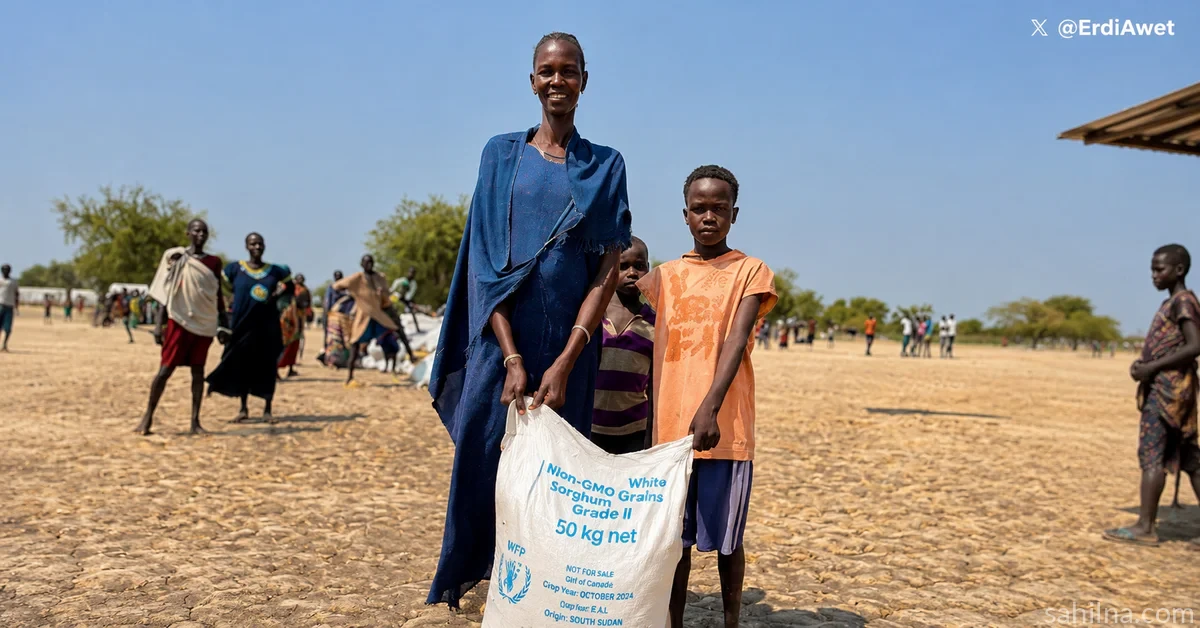
More than seven million people in South Sudan are in urgent need of food assistance. Children are suffering from severe malnutrition, mothers are struggling to survive, and entire communities face the daily threat of hunger. Yet despite the scale of this humanitarian catastrophe, global attention remains alarmingly limited.
Where are the headlines? Where are the emergency summits and special broadcasts? Where are the world leaders speaking about their moral responsibility? The uncomfortable truth is that African suffering too often receives only a fraction of the attention given to crises elsewhere.
When South Sudan gained independence in 2011, millions celebrated the birth of the world’s newest nation. There were hopes for peace, prosperity, and national development. Instead, years of political rivalry, armed conflict, and weak institutions have pushed the country into repeated cycles of instability. Today, ordinary families are paying the highest price.
The current crisis is particularly severe in Jonglei State, where hundreds of thousands of people are facing extreme hunger. Humanitarian organizations warn that thousands have reached catastrophic levels of food insecurity. At the same time, severe malnutrition among children under five and nursing mothers continues to rise.
The approaching rainy season threatens to make an already desperate situation even worse. Roads will become impassable, aid deliveries will slow, and vulnerable communities may become completely isolated. Humanitarian agencies are racing against time to deliver food and emergency assistance before access routes are cut off.
However, emergency aid alone is not enough.
South Sudan’s crisis is not simply a humanitarian emergency—it is also a political and developmental failure. A nation blessed with vast agricultural potential, natural resources, and a young population should not be facing chronic food insecurity. Hunger on this scale is not inevitable. It is the result of conflict, instability, poor governance, and the failure to build resilient national institutions.
African nations must recognize that instability anywhere on the continent carries consequences far beyond national borders. Lasting solutions require peace, investment in agriculture, modern infrastructure, regional economic cooperation, and a commitment to long-term development rather than short-term crisis management.
The people of South Sudan need immediate food assistance today. But tomorrow they will need something even more important: stability, opportunity, and the ability to build a future free from conflict and dependency.
The humanitarian disaster unfolding in South Sudan should serve as a wake-up call. Silence will not feed hungry children. Indifference will not save lives. The time for statements has passed. What is needed now is action.
Every child suffering from hunger today is a reminder of what happens when political failures are allowed to continue unchecked. The people of South Sudan deserve more than sympathy.
They deserve a future.